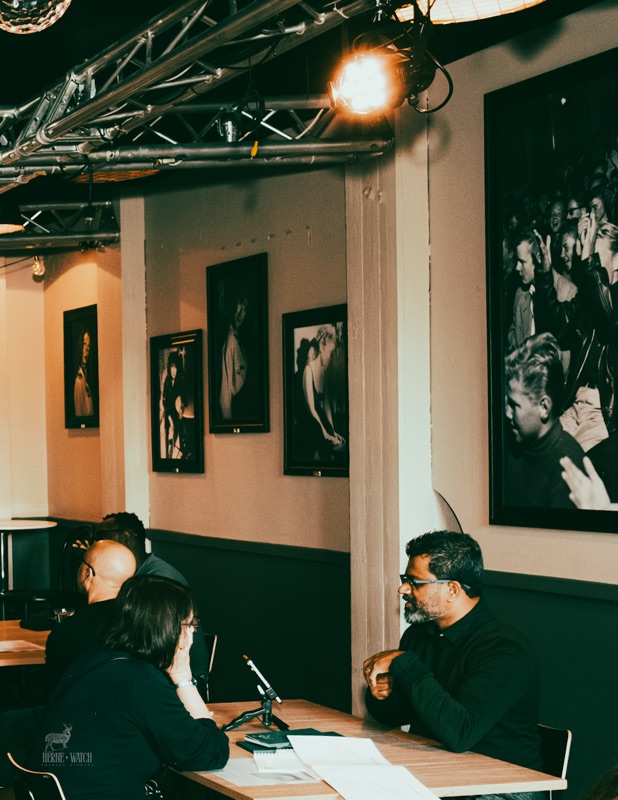
The story I told as a Human Book at Globe Art Point's 10th anniversary in Helsinki
On 22 October 2026, I became a book.
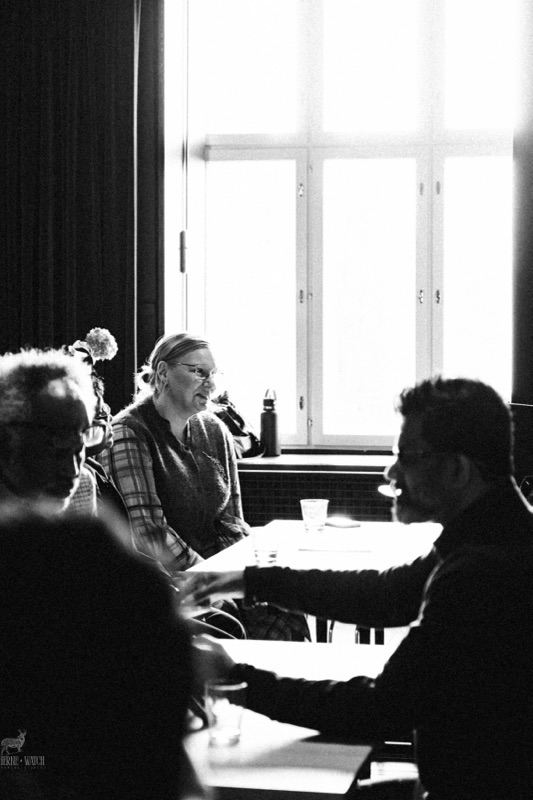
Not a printed one. A Human Book, at the Human Library that Globe Art Point held for its 10th anniversary at Botta in Helsinki. Readers chose a book from the shelf, sat at my table for twenty minutes and asked me anything.
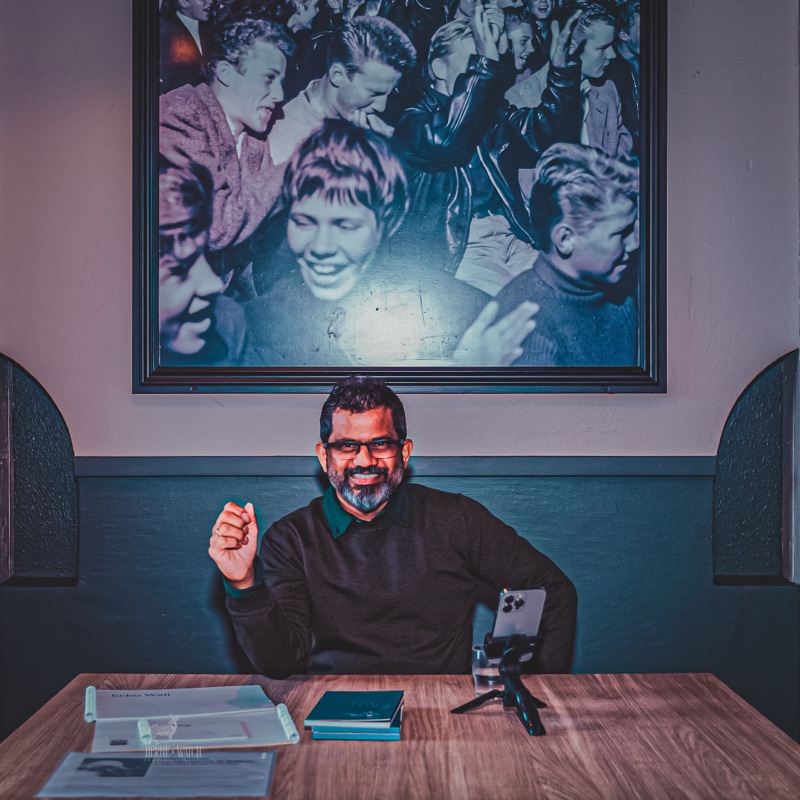
My book was called I Deliver Words: From Microphone to Mailbox. It has five chapters. This is the story I told.
Chapter 1: Music studios and the newsroom
I started writing songs at school. My very first song was about Sri Lankan politics. Yes, a schoolboy with big opinions. I wrote the words and the melody. Today I can't make a melody, and I can't sing, but that day it worked.
My music teacher, Mr Dayaratne Korathota, knew me as a young poet. He gave us permission, and my friends and I sang my song in the school auditorium. After that, I wrote songs for many school events: Teachers' Day, prize days, every stage.
In my final year, I wrote a song for our Arts Day. My friend Kasun Kalhara made the music. We were teenagers. His mother was the great singer Malini Bulathsinghala. She heard our song and invited me to write for her new album. That was the year 2000, and it became my first recorded song, sung by Malini herself. It played on many radio stations and TV channels and went to number one on many song charts.
After school, I worked in life insurance for five years. I sold the future to people. Then I went to tell them the news. In 2006, I became a news anchor at News 1st, and for seven years people knew my face on the street.
In the studios, I delivered songs. In the newsroom, I delivered news.
And after words... came Helsinki.
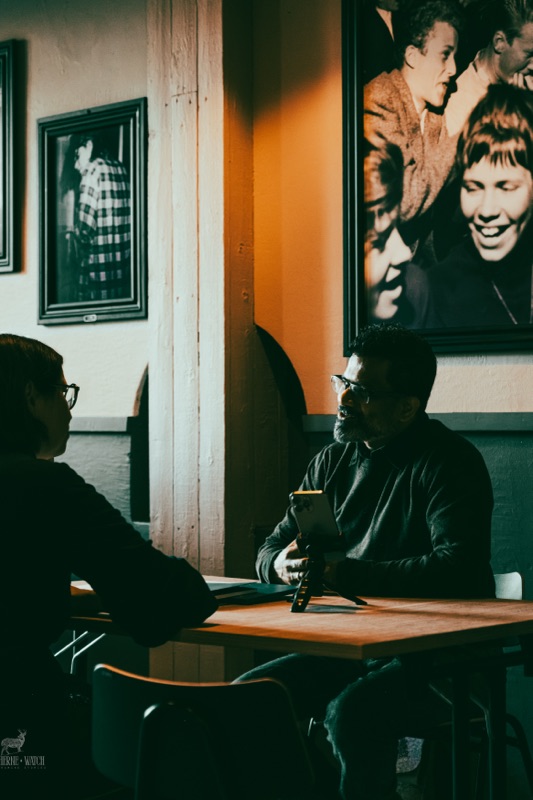
Chapter 2: Helsinki before sunrise
In Sri Lanka, I was an artist and an activist. Times were hard, and I stood with the people. It was difficult, but I loved it. I did not want to leave.
Then my wife had a new dream: to study international business in Finland. Our son wanted to go with her, and I wanted to be with my family. So I said yes. I spent all my savings to bring us here, and we arrived in August 2023. This June, she graduated. Her dream came true. Our son is learning guitar at a music school here. Maybe he found the melody I lost.
A few months after we arrived, I started work at Posti. Here is the funny part. In Sri Lanka, I wrote for newspapers. In Helsinki, I deliver them. Same business, different department.
In Sri Lanka, my whole life was people. Here, I work in the dark, and nobody sees me. Winter is quiet and very lonely. Some nights I hear a bird singing. I whistle back, and the bird replies. So now my audience is one bird. Still, it's a live show.
Sometimes one or two people pass by and say hello. That small hello is the best moment of my day. A news anchor who once knew thousands of faces now waits for one "Huomenta."
Every morning before sunrise, I come to your door. You never see me. But you read the words I bring.
And after words... came my own book.
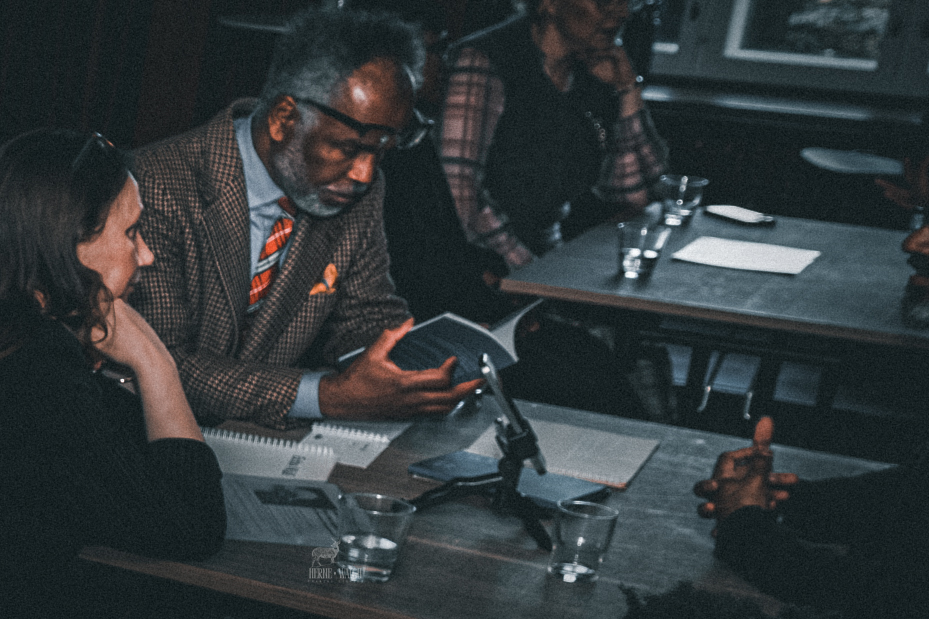
Chapter 3: Sarali, a voice across languages
I became a poet in grade 8, because of a girl. Today she is my wife, so the poems worked. She is still my best poem.
I wrote poems everywhere: on bus tickets, on book covers, on any paper I could find. So she gave me an exercise book and said, "Collect your poems."
Years later, when COVID made the world go silent, I typed all my poems and songs into one document. More than 1000, from different ages of my life. I chose about 300, then 60 and asked poets and professors in Sri Lanka one question: "Are these really poems?" They said, "Make a book." So silence chose the poems.
The book is Sarali, published in 2021. In Sinhala, "rali" means waves, and "Sarali" means ripples: many small waves, moving and crossing each other, like a stone dropped in water. One feeling, spreading in circles. Love, politics, society, the mind.
We launched it at SLBC, the national radio, on 31 July, the day we remember Premakeerthi de Alwis, a great broadcaster and lyricist who was killed many years ago. I grew up with his voice. His name is not in the poems, but the whole book is for him. A dedication is also a language.
Today Sarali is at Pasila Library in Helsinki. From bus tickets to a library shelf. Sri Lankans here read it. My Finnish friends can only look at the cover, because Google Translate gives them the words, not the poem. A poem lives between the words.
And after words... comes silence.
So I made a place for it.
Chapter 4: From Sigiriya's Mirror Wall to the open chair
My first winter in Helsinki was cold and quiet. No job yet, just Netflix and a coffee machine. Then came Posti and the night routes. Every street, every door, and nobody to talk to.
In Sri Lanka, we have Sigiriya, a rock fortress more than 1,500 years old. Below its paintings is the Mirror Wall, where visitors wrote poems more than a thousand years ago. Ordinary people, writing for strangers they would never meet.
I have no wall in Helsinki. But I have a chair.
So I created The Society at Silent Echo. One question opens the evening, a guest shares life stories, live music answers, and one chair is always open. Anyone can sit there and bring a "poem": a story, a memory, a song or a silence. Nobody has to speak. Listening counts too.
On 2 January 2026, we held the first one in Oulu. A man sat in the open chair, shared his story and wiped away tears. That is when I knew the chair was not furniture. It was an invitation.
| On 2 January 2026, we held the first one in Oulu. A man sat in the open chair, shared his story and wiped away tears. That is when I knew the chair was not furniture. It was an invitation. |