For thirty years, my job was to talk. On stage, On TV/radio, behind a microphone, words were my work. But somewhere along the way, I began to notice what happens in the moments between words. The pause before someone answers. The silence after a song. The breath before a stranger decides to share something true.
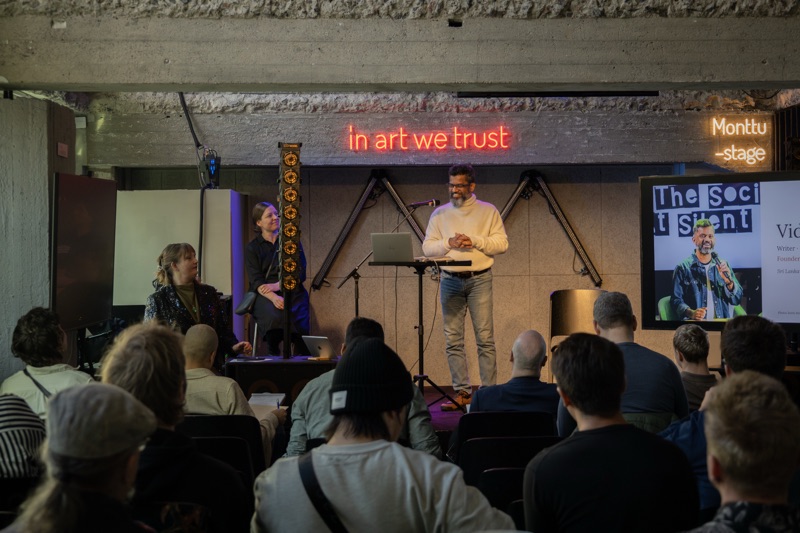
That silence became an idea.
Today I want to share it with you.
WHERE IT BEGAN
In Sri Lanka there is an ancient rock called Sigiriya. Its Mirror Wall was once polished so brightly that visitors could see themselves in it. Over many centuries, people who climbed it left poems and thoughts on that wall, words for strangers they would never meet.
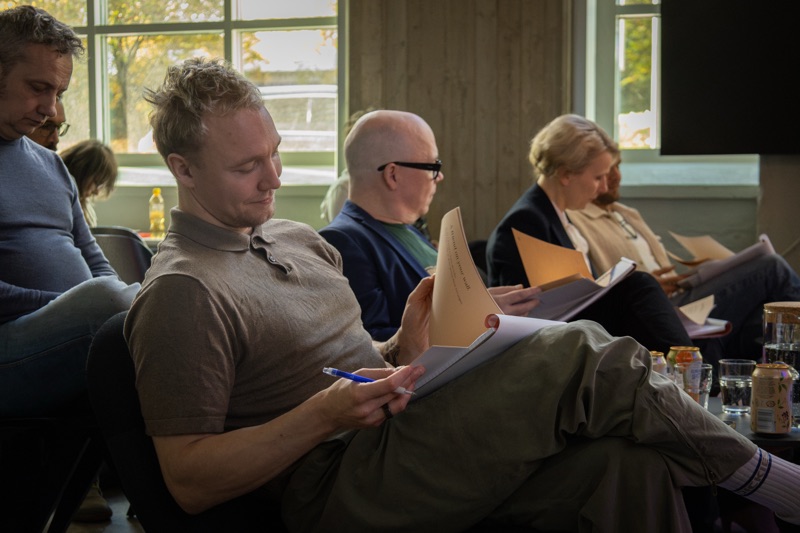
I have always loved that idea: a wall that listens, and a conversation that travels through time.
THE SOCIETY AT SILENT ECHO
On 2 January 2026, in Oulu, we held the first gathering of The Society at Silent Echo. It is simple. One question opens the evening. A guest shares life stories around it. Live music answers in another language: feeling. And there is always one open chair. Anyone from the audience can sit there, respond, read a poem, or bring a new question.
Nobody has to speak. Listening counts too.
Our theme music was composed by Nadeeka Guruge. I will never forget one moment from that night: a man sitting in the open chair, so moved by what was shared that he wiped away tears. That is when I knew the chair was not furniture. It was an invitation.
THE ECHO WALL
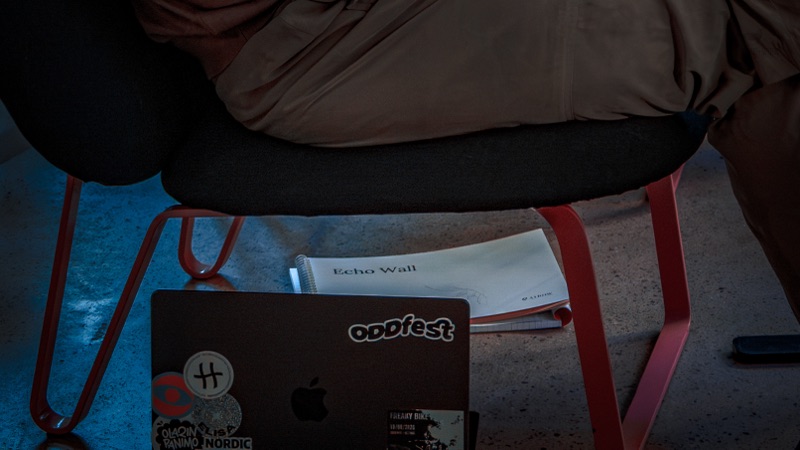
From that night grew the Echo Wall, a small pocket book that carries the gathering home. Every page is a wall for your words or drawings. You can invite a friend onto your wall. Before you close it, you leave a question for the next person.
Three ideas live in that book:
Echo Wall. Leave a chair for someone. The next person is valued.
TAKING IT FURTHER
This October I presented the idea at Creativity x Events Pitching Day at Metropolia in Helsinki. Pitching to a jury from the events and creative industries was a gift. Their questions were honest, their feedback generous, and their attention reminded me why I started.
My dream is to bring The Society at Silent Echo to festivals: one quiet hour inside a loud weekend, in any language, with local hosts, guests and music. The next step is our first festival pilot.
WHY IT MATTERS TO ME
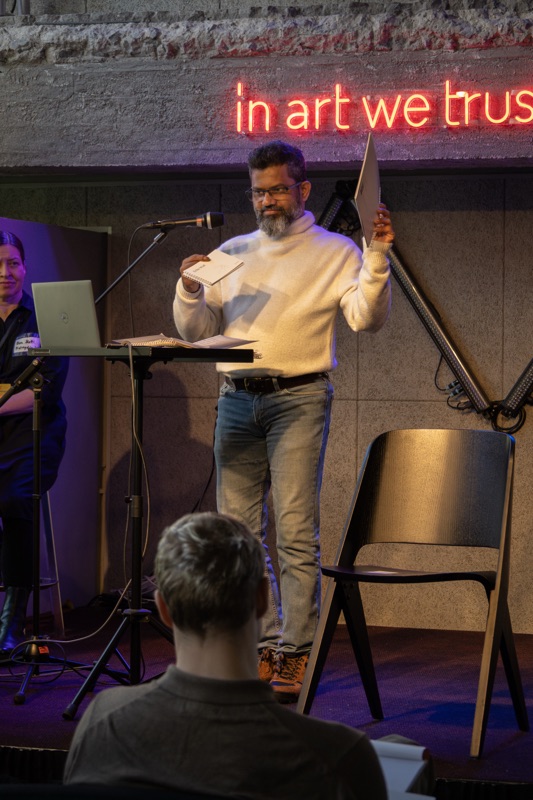
We live surrounded by noise and screens. Algorithms decide who we meet and what we see. But sometimes all a person needs is one question, one quiet room, and someone who truly listens.
So here is my question for you. You don't have to answer it out loud:
What does silence mean in your life?
The chair is open.
We See You.